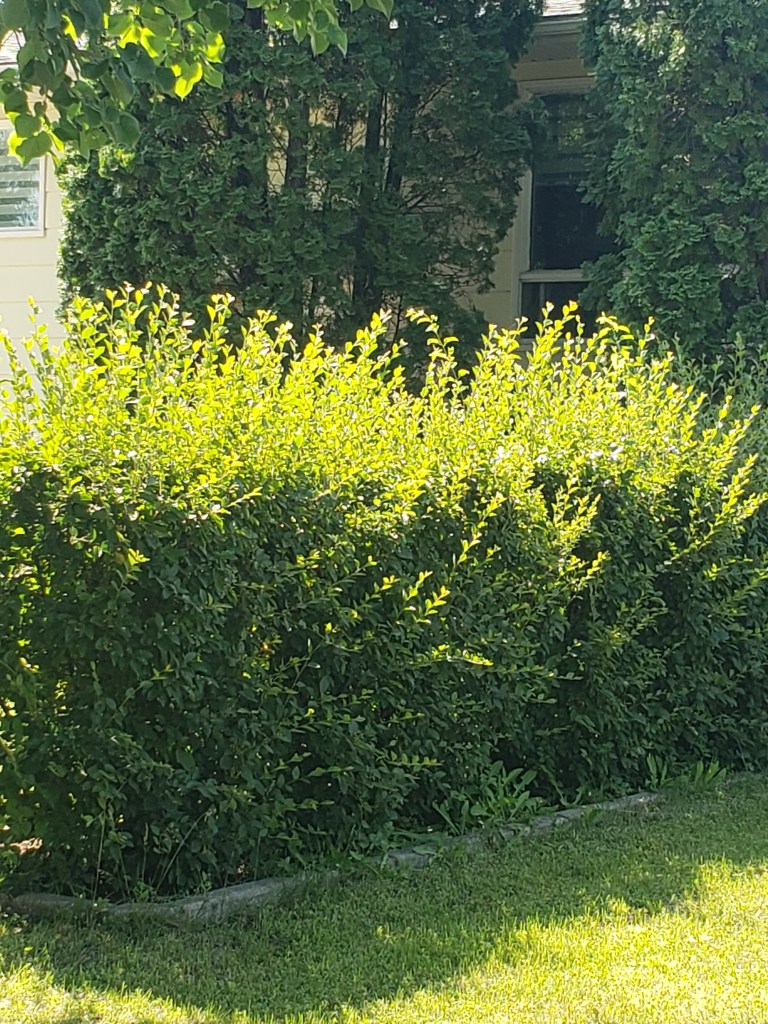
If you are in a cold climate, like the Canadian Prairies, now is the time to do your hedge trimming. If you’re anywhere else in the country this post is a little late for you but mark two to four weeks earlier in your gardening journal for next year. Sorry, but I tend to write as I see inspiration and this morning’s stroll brought the subject to mind.
If you are working on a formal hedge with a straight top and sides your hedge is probably looking quite ragged. That is because all the exuberance of spring growth has happened. New shoots everywhere! Now that summer is upon us, growth will slow down.
Whether using an electric hedge trimmer or manual shears sharpen your blades first or you will end up with ragged cuts. Manual shears are acceptable for shorter lengths, but are a very good arm workout. Of course, you do not have to do it all at one time but within a week is good. If your yard is surrounded by hedges an investment in an electric trimmer is a present to yourself. Chainsaws are not the best choice because they are not meant for fine work.
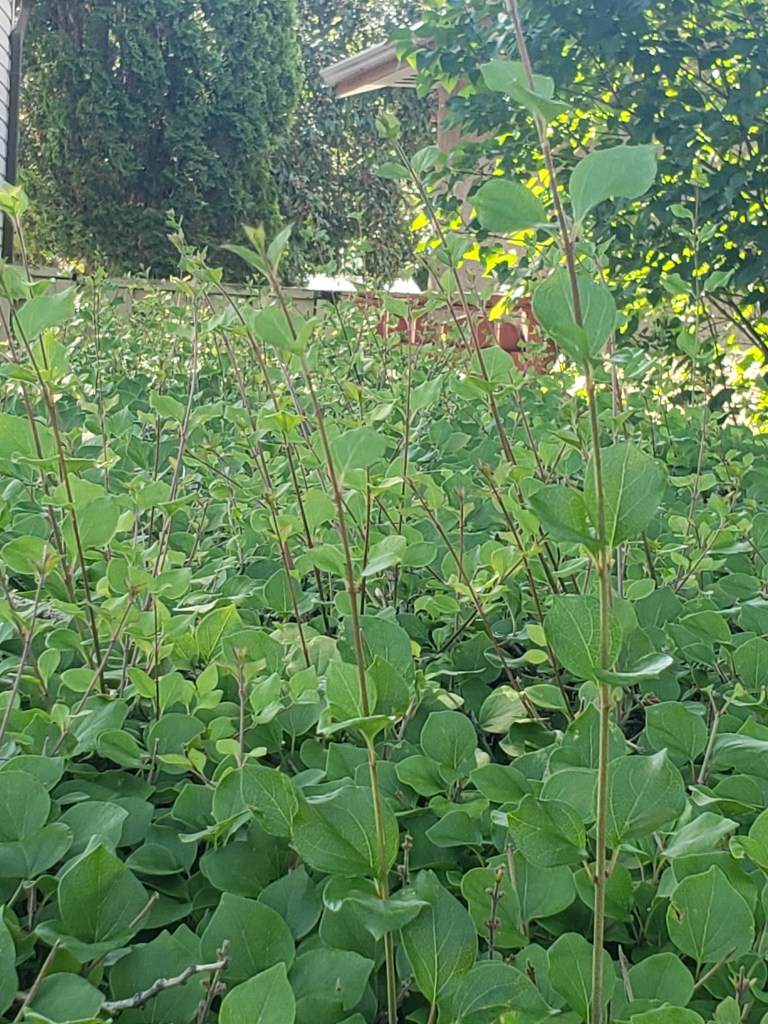
A crisp top line can be achieved by running a string at the height you want to achieve for reference. A pole at either end of the work area with a string between gives you a good guide. You can eyeball it but I’ve seen that often end in disaster with a wavy top, especially if your ground is uneven. Now, here’s a hot tip: when doing the sides of your hedge, your top should be a wee bit narrower than the bottom. That way the sun can get to the side growth evenly, without a bulging top shading the growth below. If you are working with a taller hedge using a ladder, please please please only work in sections you can easily work. It’s a bother to be getting up and down the ladder to move it but over-reaching is a recipe for disaster and injury!
After you’ve hedged please follow up with a little love: water if your area is in summer drought. A light fertilizer is appropriate, but get that on quickly, you do not want to be fertilizing in August. You will get some growth through the summer, enough to cover your cuts, but it will be minimal and can be easily cleaned up later in August or September.
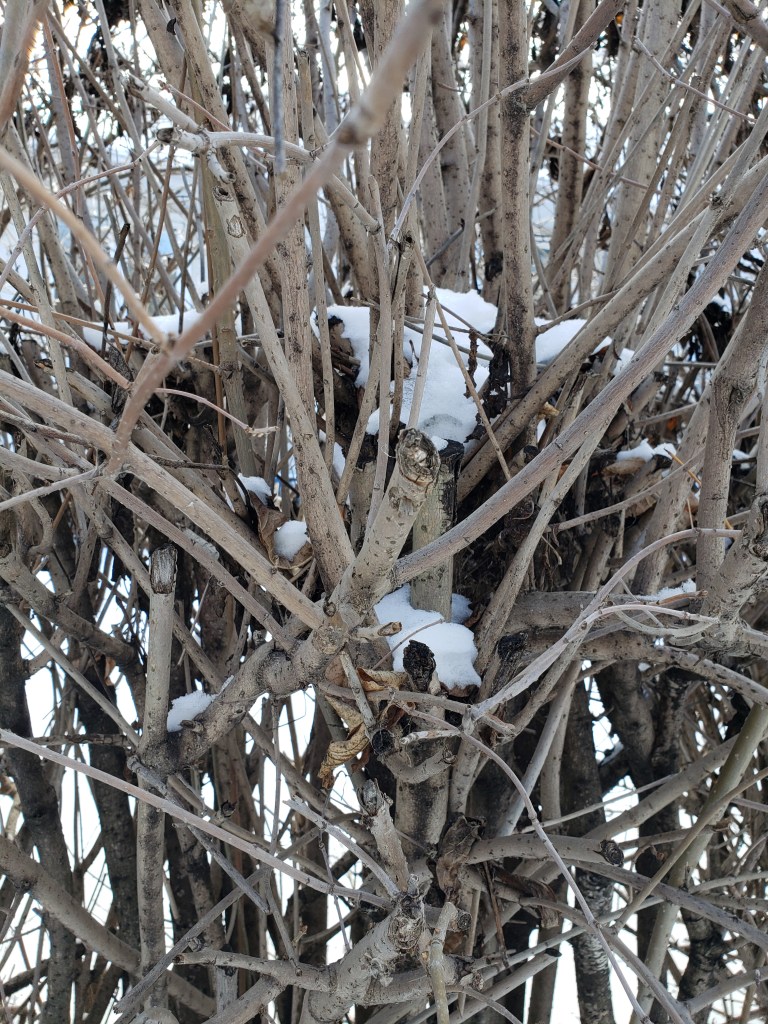
In long term maintenance remember that plants only grow at their tips, they only add length at the ends. When you trim an end, dormant or hidden buds break back along the branch for six inches to maybe a foot. This means that your plant can get too dense. It’s an evolutionary protection so that a plant can rebound if eaten by a deer or is broken in a storm. As you hedge, you’ll get a plethora of new shoots below your cuts. This can lead to a top that is too dense, branches that rub and can be prone to disease as well as being an excellent home to bugs like spiders.
As well, as plants get new growth at the top, they tend to focus energy there and not on the bottom. This leads to bare bottoms. As your hedge matures you should go in every year and trim out one or two old branches. You should also trim some of side shoots. Removing a big branch from the bottom will keep your shrub shooting at the bottom, preventing bare spots.
If you’re looking for inspiration check out Instagram’s @hedgelover_ or use the hashtag #hedges. You may also get some adorable hedgehogs!

 Peace Signs and Pruners
Leave a comment