I almost can’t bear it! Sometimes I want to get off social media. Especially social media for gardeners of Manitoba. I am a member of a number of different Facebook pages for Manitoba gardeners. Some days I have to grit my teeth at the nonsense being spread.
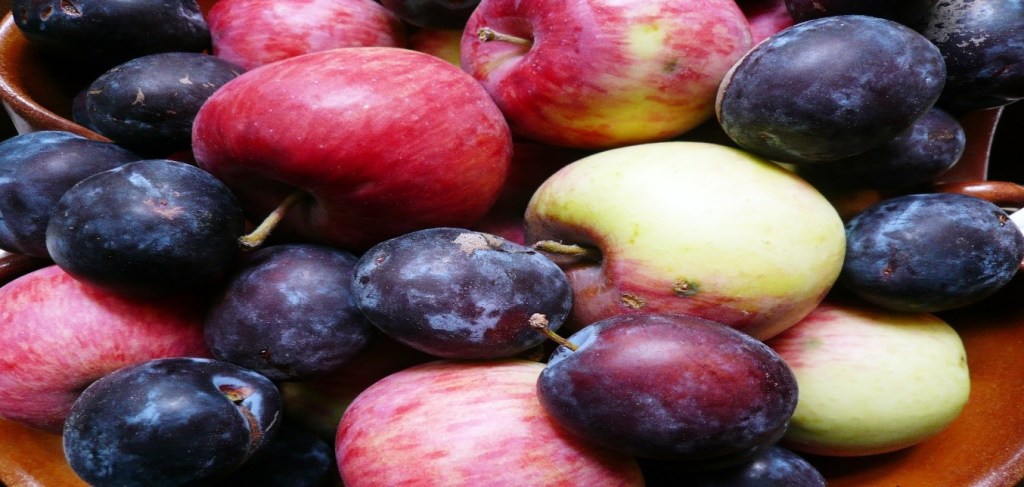
Photo via Bing
Recent case in point: a person posted that they had planted a plum tree and an apple tree last year. The garden centre they bought from said they would pollinate each other. (And, yes, let’s get it out there that garden centres have trouble finding trained, knowledgeable, experienced people.) The person had read something that made them doubt the veracity of that statement so they posted the question to the Manitoba Gardeners Facebook page.
Somebody immediately jumped on saying the plum and apple can absolutely pollinate each other. Well, NO THEY CAN’T! Ain’t never going to happen; it’s like cats and dogs. Yes, they both have four legs, a tail and two ears but they are not breeding and producing ‘puptens’ or ‘kitpies’. Somebody else then commented with a link to an article on pollinators for plums from a website on the Pacific Coast of America naming plums that aren’t hardy for us. Somebody else then commented that they had one of each and got fruit . They clearly do not understand the biology of fruit trees, but they must be in a city or town where there were pollinators in the neighbourhood. If an acceptable pollinator is within five or six city blocks, the bees, moths and other insects will do the job!
This one, I entered the discussion. I told the truth, then posted a link to a great pollinator chart from Aubin’s Nursery in Carmen, Manitoba. I am really passionate about Manitoba gardeners succeeding, especially young families growing their own food or starting their landscaping. There are a few hard truths that people need to accept. Gardening advice on the internet is fraught with misinformation and so-called experts that really don’t know much. If the original poster had Googled ‘Can a plum tree pollinate an apple tree’ they would have had the correct answer in two seconds or less. If they Googled a question about plum pollinators they should include ‘Manitoba’ in the query or they will get suggestions for plums that will grow in Florida, but not here.
The point is that you need to be responsible for your own research and knowledge. Use hashtags like ‘#Manitoba’ or ‘#Prairies’ or ‘#Zone 3’ in your searches to get information that is appropriate. Keep in mind that that the Canadian and US hardiness zones are completely different. Zone 3 in Canadian charts is actually a Zone 2 in US charts. So, a Zone 3 listing in the US is actually a Zone 4 for Canadians, not very hardy on the Prairies. Look to see where the information was produced: If it is from either coast, the garden belt around the Great Lakes in Ontario and Quebec, deep south or even most of middle America it is not the right information for Manitobans! Look for articles from universities, growers and content creators from a similar zone.
This article was originally publish in the magazine ‘Neighbours of 34th Street’. Reprinted with permission. The content was updated.

 Peace Signs and Pruners