If you’re a Prairie gardener, April is the hardest month of the gardening year. My social media feeds, for months, have been filled with blossoms and buds. I follow blogs and creators from around the globe so I’ve been forced to endure lovely witch hazel blooms since just after the New Year. Then it has been the cherry blossoms, now the magnolias and rhododendrons.
Meanwhile, on the Canadian Prairies March was still winter. Then, in April we started to see some warming trends. The snow pack started to recede, then it snowed and got cold again. It would get above freezing during the day, then freeze at night making for icy, dangerous roads and sidewalks. Then it snowed a bit again, about the time of the Eclipse. The last two days the weather has been like summer, highs in the low 20’s Celsuis (68o F.) By Saturday night we’re going to be below freezing again!
As the snow recedes, what is revealed is not pretty. Brown grass, sometimes with a white scurf known as snow mould. Barren shrubs, desiccated foliage of perennials, masses of slimy, wet leaves. And on many driveways and parking lots huge mounds of snow from the removal crews that are gray from the road sand and full of garbage. Not very attractive.
These unpredictable temperatures are one of the reasons it is really hard to harvest apricots in Zone 3. We can grow the trees but it is hard to get fruit. Anything that blooms early in the season, meaning most fruit, made the flower buds last fall. They’ve been sitting, well protected, waiting for conditions to be right. The apricot, unfortunately, is just a little too enthusiastic and may have started to open buds. They may got frosted off Saturday night when freezing temperatures return. Hence, no fruit.
The other thing that is so difficult for me is the pictures of all the plants I love but can no longer grow. We came from the West Coast, Zone 8/9. We find ourselves in Zone 3. I adore witch hazel with those spikey, funky flowers and light fragrance. Hmmm, and magnolias, with those large waxy flowers! The Kousa dogwoods, Japanese cherries, magnificent rhododendrons, hellebores, even delightful snowdrops are hard to over-winter here.
Ah, but soon…the weather will stabilize and forsythias will go off. Well, usually branches under the snow pack will bloom. The tops sticking out of the snow may be too dessicated. You see? It’s hard to be a Prairie gardener!
Or Seedy Saturday? Or Seedy Tuesday Night, whenever the event is occurring in your area. It’s the start of the gardening season for me, and I love the event. So glad it’s back in full force after the pandemic shut down. It’s an opportunity for home gardeners to share or swap seeds they have saved. It’s a gathering of like-minded individuals who can trade information and knowledge.
What is Seedy Saturday? It’s a totally Canadian thing, first founded in 1990 by a Sharon Rempel, a member of Van Dusen Botanical Garden in Vancouver. She was looking for heritage seeds for a project and eventually turned to her community to find sources. She was kind enough to put the name into the public domain, so anyone can use it. Seeds of Diversity Canada has taken on the role of keeping the country informed of events. Check out the link for info on organizing an event, some pointers on what to take and do. It’s a February/March thing, which is when we want seeds that need to be started indoors.
What’s so fantastic? The events are totally local. Local gardeners swapping seeds. The seeds are appropriate for your area, you can get information from the grower. Many events host local businesses, including seed sellers but there may also be soapmakers, people who can or bake, small nurseries, potters…who knows? There is quite often presentations on gardening or environmental issues like composting or conserving rainwater. It’s a great day!
The event in my community is being held on Sunday, February 11th, 2024. It’s being organized by the Assiniboine Food Forest, which deserves a blog post all its’ own. The events listed across the Canada can be found here. If your city or town isn’t listed, check the Facebook page of your local garden club or event listings. Britain is now doing Seedy days, America tends to call them Seed Swaps.
If you saved seeds and have a lot of something, this is a great way to acquire some other plants. You should have your seeds divided into small groups, five to ten seeds, in individual small envelopes or tiny plastic re-sealable bags. Don’t be trying to divvy seeds at the event. Make sure they are clean and dry, no mold. You should name the seed, hopefully by the common name and Latin name. Some people may want to know harvest date. Events will vary, but some organizations give you a receipt for what you brought that you can trade.
Even if you don’t have seeds to share, it’s a wonderful event where you will be able to purchase seeds…and other goodies. Enjoy!
Are plants singing and making music? TikTok led me down an interesting path. Isn’t it a charming idea? Plants are out there creating symphonies that we simply cannot hear.
There is evidence that plants communicate with each other, read more in this research from National Geographic. They can send signals when they are stressed, which sometimes cause pests to attack but can also warn other plants. Read more about that here.
But are they making music, like some TikTok accounts claim? TikTok accounts that might like to sell you a device to listen to said creations? Science seems to say no, they are not making music. They are releasing electric impulses which can be construed as tunes, when put through a synthesizer. Check out this piece or the study done by the music department at Pittsburgh University.
Some creators on social media are turning this into a ‘mystical’ experience. Listen to the mushrooms, listen to the music of the universe and such claims are being made. As always, careful what you accept as fact!
Are you looking for a gift for someone who likes to get out in nature? The Japanese have a wonderful term: Shinrin-yoku. It literally translates to ‘forest bathing’. Just getting outside in Mother Nature, walking or sitting, breathing fresh air, hearing the natural sounds is good for your health. Time Magazine has a lovely article here. Nature lovers aren’t necessarily gardeners, so it’s a whole different set of gifts.
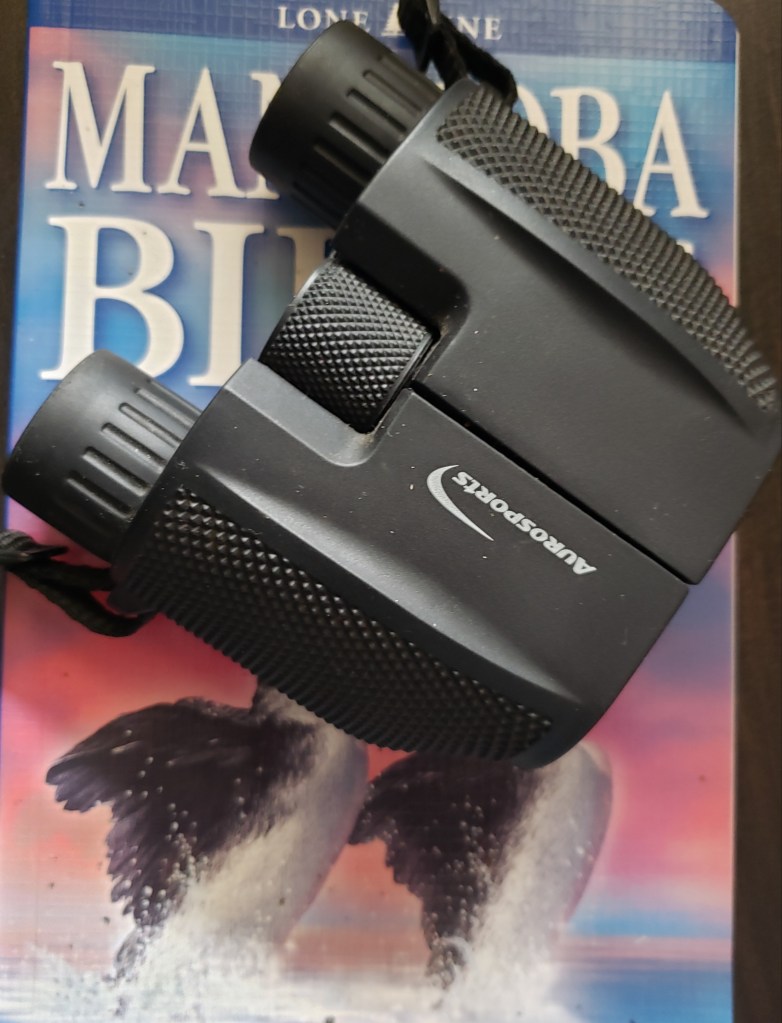
One of my favourite purchases as we were able to travel a bit more was a pair lightweight of binoculars. We had excellent binoculars but they were heavy and cumbersome to carry in a hard leather case. We have these and they are so easy to take along on a hike. They can go in a pocket and are much more discrete, if you’re travelling to a local that’s a bit wild.
If your Nature Lover is getting into photography, consider a close-up lens attachment for their mobile phone. It can help make fantastic zoom photos among other things. This kit here has a number of different attachments.
If they are getting into photography, it may be time to help them get their first camera. If they own a camera, consider providing the close-up lens or macro lens, even a telephoto lens. Maybe they’d appreciate a photography course at the local community college.
Now that they have all these photos and memories, now they need some reference material! In the photo above is our much-loved book on Manitoba Birds. Second copy actually, misplaced the first copy. Lone Pine Media has great reference books on birds, trees, mushrooms, all kinds of things for across Canada! The Manitoba book seems sold out on Amazon, although I recently got my copy at Riverbank Discovery Centre, where there is a great selection of books for naturalists. This series looks very interesting, too. Where ever you are, there are books written for your area. I also like the brochure style, we have a number for Costa Rica for hikes when we might not get phone service to just ‘Google’ something. The Pocket Naturalist is just one company making them and they’ve got them for around the world. Anywhere your giftee may be thinking of travelling you can find some reference material.
What else for the Nature Lover? Well, how about a membership in a group supporting Mother Nature? Nature Conservancy Canada has an adoption program, so one can adopt a species or a habitat. Every adoption comes with a certificate, a booklet on your choice and a calendar. Pollinator Partnership Canada is celebrating ten years and is offering again the Pollinator Steward Certification. It’s an online course, perfect for someone wanting a more active involvement in nature.
There is a few things for you to think about! Hope that helps!
Most of my links lead to further information. This post has affiliate links which, if you purchase through the link, I may make a teeny tiny commission. All prices as of the day of publishing and may change.
Most of my links lead to further information. This post has affiliate links which, if you purchase through the link, I may make a teeny tiny commission. All prices as of the day of publishing and may change.
At the start of almost every season that I have worked at a garden center management has given me a pair of secaturs, or hand pruners. I’ve usually killed them before the season is over. They become wobbly, the blade won’t sharpen, the spring has fallen out and gotten lost. Admittedly, I do a lot more pruning than the average gardener. A shipment of one hundred potted trees and shrubs may arrive, and the way they are crammed on the truck at least a quarter of them have broken branches that need attention. Ultimately, I always go back to my own secaturs.
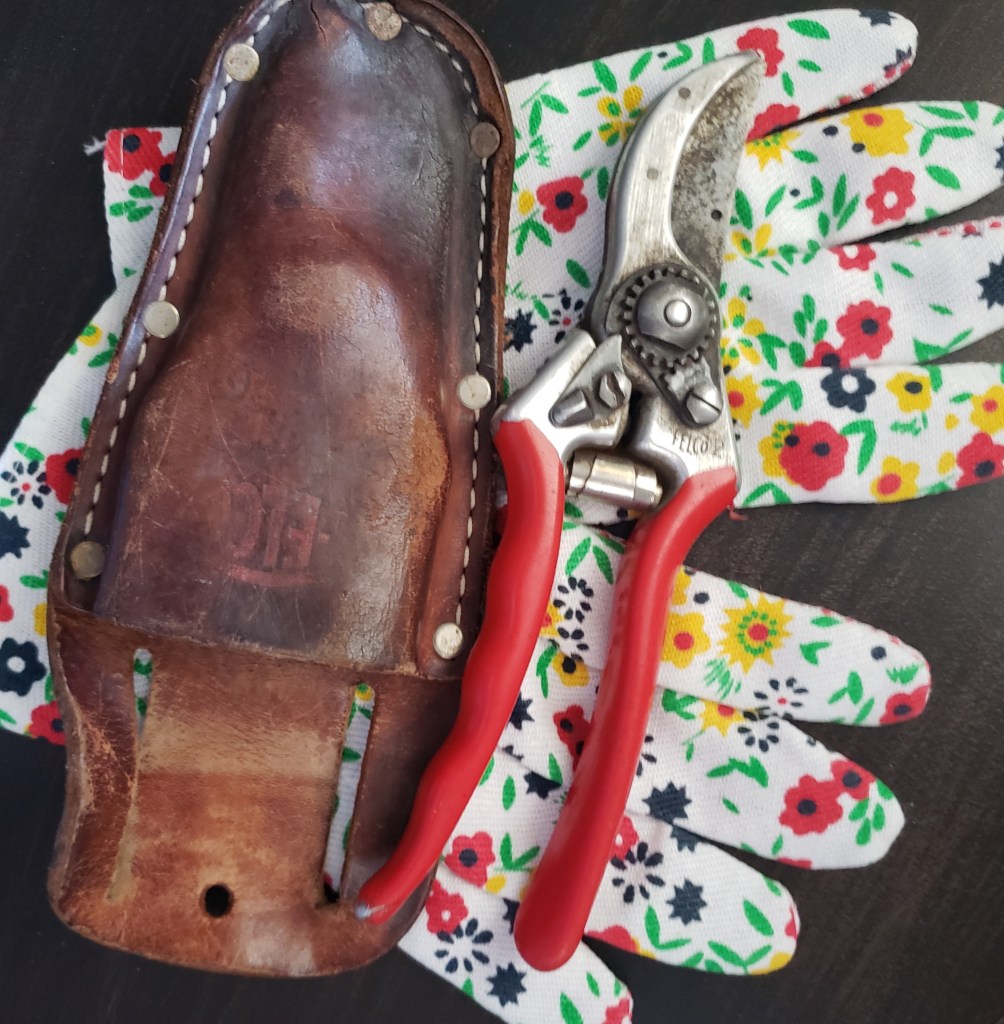
My Felco #2 and holster are over thirty years. Yes, that’s the secaturs in my profile picture. They’ve seen a lot of pruning. I purchased them during hort school, and used them while running a landscape design/build/maintenance company with my husband. As I was, at that time, certified as an arborist, I did a lot of pruning. The pruners were sharpened weekly and I’ve only had to replace the blade once. Never lost the spring. They’ve stayed balanced and strong. Our dog Teddy Bear tried teething on them, and the paint didn’t even peel off around her teeth marks. On the farm, they’ve pruned everything from raspberries to corn.
Any gardener would appreciate quality tools. Whether they are a new homeowner or someone becoming more involved in their gardening I highly recommend good pruners, like my Felco #2. If you can splurge, get them the Felco holster, too. So convenient to whip out the pruners while you’re mowing the lawn or doing some weeding. With a pair of pruners one should be able to prune anything up to the size of one’s own little finger. Anything bigger you need a pair of loppers, and bigger than one’s thumb you need a pruning saw. You can get other great accessories like sharpeners and oil.
A good set of shovels, spades, rakes and hoes are a must, and I’ve always been impressed by the tools from Lee Valley. The ash handled, ergonomic tools are something else we’ve had for decades and used more than most people would in a lifetime. This spade is a favorite. Now, the ash handled tools are more expensive…but you have to pay for top notch quality, right? I’m a huge fan of a D-hoe, also called a scuffle hoe, at Lee Valley called a Hula Hoe. The only hoe I need, a great tool!
Some other things from Lee Valley that I’ve had for decades are a steel compost bucket for under the sink, a folding plastic mat with sides for potting plants indoors and a set of small stainless steel cups perfect for dipping sauces, snacking on nuts or dried fruit, measuring out spices before starting to cook. The links to Lee Valley products are not affiliate links, I don’t think they do that. I just really like their products. Great things for gardeners, cooks, DIYers and woodworkers.
If your gift recipient is interested in vegetable gardening or houseplants there are a ton of great things. If they are a balcony gardener or have a small yard perhaps rent them a plot at a community garden. I’ve seen these raised beds in action and they’d be appreciated. They are attractive and functional; they could go at the end of a patio or deck to provide privacy, along a fence or lining a sidewalk.
If your giftee is a houseplant enthusiast or getting into starting seeds they need a set of grow lights. Grow lights must be height adjustable; the lights start very close to the seedlings and are raised as the seedling grow. Leggy seedlings come from reaching for light. I have had a system like this grow light here. It’s adjustable, lightweight and easy. I’m also a big fan of the grow bulbs that fit into any lamp, I have these grow bulbs here. I’ve currently got one in a standing lamp in my living room with houseplants around it.
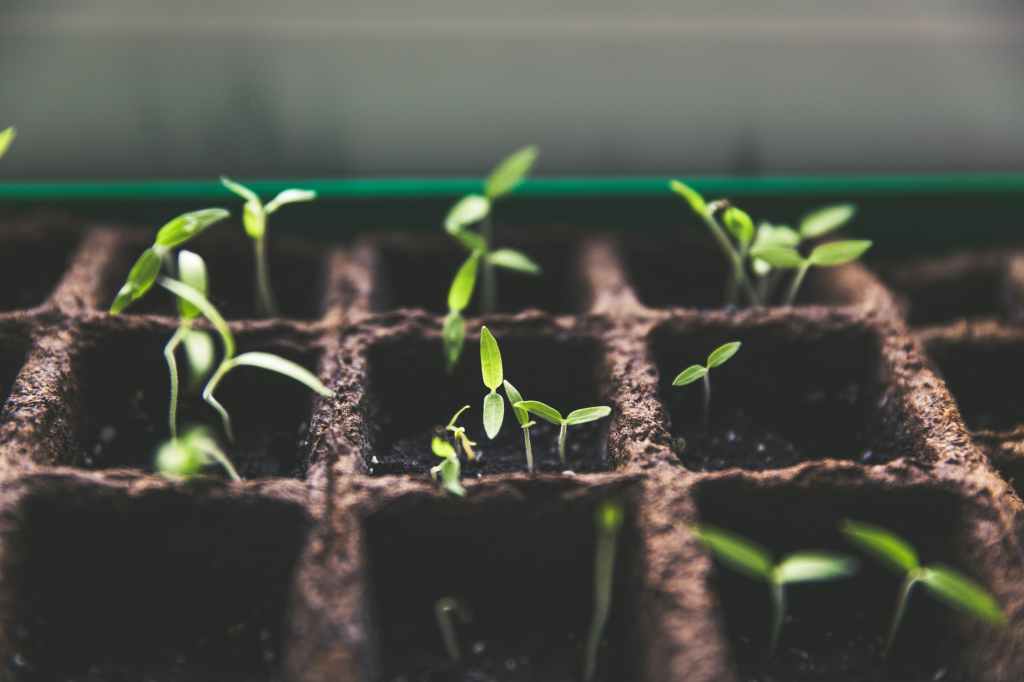
Anybody starting seeds needs a heat mat, growing medium and little flats or pots. Do support your local greenhouse in this holiday season and you’ll probably find exactly what you need. For those particularly eco-friendly I’ve used this newspaper pot maker for years. Great way to upcycle newspapers, which these days are generally on unbleached paper with vegetable or soy inks. Seeds are started in 72 or 124 cell flats then potted up to the paper pots, which can be directly planted in the garden and will biodegrade. Perfect for things with brittle roots like melons and cantelopes.
For stocking stuffers and less expensive ‘Secret Santa’ gifts magazines are a great choice. For new gardeners I always choose something written for their area, information they can use. The Gardener For Canadian Climates, published four times a year or available on the newsstands is a good choice. For the dreamer or experienced gardener I adore some of the British publications like ‘Gardens Illustrated’ or ‘BBC Gardeners World’. From America there is ‘Fine Gardening’. The newbie gardener has to understand that they can’t grow half (or maybe three quarters) of the plants featured in the last three magazines but the knowledge and photography are top notch. ‘The Old Farmer’s Almanac’ is also a fun choice with weather predictions, gardening advice, animal husbandry, moon phases and so much more! Great reading on a cold winter night. There is a Canadian and an American edition.
Books on the topic are always welcome. Again, I like things that are appropriate for the area, especially for newbies. As a cold-climate gardener I have forever been a fan of writings by Lois Hole, Sara Williams, Hugh Skinner and Bob Bors. Those books are all getting old now and don’t include varieties developed in the last twenty years. Some great new plants have been introduced that aren’t mentioned or there are named varieties you can no longer buy. I’ve been quite impressed with the recent series ‘Guides For Prairie Gardeners’ by Janet Melrose and Sheryl Normandeau. With the interest in growing fruits and food I recommend this book from the series. For something more exciting and cutting-edge here’s a link to some of the recommended books from ‘Gardens Illustrated Magazine’.

 Peace Signs and Pruners