After posting yesterday on Fall being a great time to transplant, as well as plant, I came across this post of trees being harvested. I have never seen this type of machine; I am more familiar with tree spades, which take a much larger root ball.
I know these are young trees, maybe six to eight years old. I thought gardeners should see how little a root ball can be taken. I don’t know that I’d recommend quite this small a root ball, but if you do wish to transplant a tree or shrub this Fall, you can see that it does not need to be a massive effort! The exposed roots will probably be wrapped in burlap for transport, which is known as Ball and Burlap or B&B. The rows of trees in the video were probably tilled between the trees at least twice a year, to keep down weeds as well as to keep the trees from forming a wide root system.
If you’re transplanting trees or shrubs get the plant in its’ new home as soon as possible, then water well and continue to water until freeze up. It is critical (!) that the soil level on the plants is the same in the new place: do not bury trunks or stems. I would also highly recommend a root stimulant with mycorrhizal fungi. Read more of the science of this natural product here. It is really a great addition.
If you live in the Northern Hemisphere, Fall is coming upon us. ‘Tis the time for cozy sweaters, pumpkin everything, changing leaves and hot drinks! Farmers are bringing in their crops, vegetable gardens are being stripped. It is also an excellent time to plant or transplant in the garden.
Our plants have their own cycles. They are aware that winter approaches. They have noticed the shorter days, the cooler evening temperatures. In our hardy plants, they have done their work: they have grown, flowered, made seed or fruit. It is time to rest. Leaves start to change colour and will soon drop.
Soils, however, will stay warm for quite some time. Even after the first snowfall, soils will be warm. If you are familiar with the geothermal effect it is kind of related. The bulk of the Earth has absorbed the rays of the sun all summer. The Earth will hold that heat and release it slowly. Since your hardy plants don’t need to grow or flower, they have nothing to do but root.
It’s a fantastic time to plant trees, shrubs and perennials. It’s also a good time to sod or seed a lawn, plant bulbs like garlic or tulips. If you have perennials in your garden that seem to be flagging it is a good time to divide them and replant. It’s a good time to move a tree or shrub, better even after a frost or two when we know that the plants are heading to dormancy. The biggest tip I can offer is that the soil level that exists on the plant should be the same on re-planting. Never bury the wood stems of trees and shrubs!
My other absolutely favourite thing about a Fall planting? Your local garden centers probably have some steep discounts on plant material. They would prefer not to go the the work of over-wintering the plants. Don’t look to the box stores: they probably closed their garden centers in June or July and have already moved in snow blowers! Support your local garden center which has undoubtedly been taking good care of their nursery stock all summer! And who doesn’t like a good sale on plants?
I have to tell you that I very rarely eat tomatoes in the winter. The perfect, red, unblemished offerings in the store just don’t have the flavour I’m craving. Now, a vine-ripened, sun warmed field tomato? Just can’t get enough of the garden produce currently available.
I got a hold of some tomatoes and cucumbers, picked that day. The hubby and I immediately sliced one and snacked with just a touch of salt on the slices. So good! That night for dinner I served them, just sliced, as a side dish. Last night I made a Greek salad. The cucumbers were slicers, not English, so I peeled some of the skin. I was rather silly and didn’t grab any green pepper, which were available. What was I thinking?
I’ve been making Greek salad for so long I don’t really use a recipe. If you need one check out this one from Love and Lemons. I love having Greek seasoning on hand and this mix from Culinary Hill is divine! The cinnamon is a nice surprise. I had a fresh zucchini and roasted chunks in the oven last night, with Greek seasoning. Delish!
So, how to keep summer’s tomatoes for winter use? I have canned a simple tomato sauce using this recipe from The Prairie Homestead. She also has a recipe for tomato paste. Manitoba’s Getty Stewart has a nice piece on freezing homemade salsa. You can freeze whole tomatoes, here are some good instructions from The Kitchn. How about using the lovely garden tomatoes for ‘sun-dried’ tomatoes but using the oven? Here’s how from Gimme Some Oven.
Won’t it be fantastic to have the flavour of garden tomatoes in the dead of winter?
September has arrived and here in Manitoba the temperatures have already slid downward. Monday evening the temperature went down to 2o Celsius (35o F.) Very glad I had taken my basil inside! It would not have appreciated that chill and it’s doing very well right now. There is lots more good eating to come from that plant. When I’m home it can go out for the day but pretty soon it will become a houseplant, under grow lights.
Many people are already looking forward to cleaning up the garden and largely not thinking about it until Spring. May I suggest an alternative? I think people should relax and enjoy the Fall. Sit in the sun, even if a down vest is required, enjoy a beverage, admire the changing leaves, watch the birds gather to migrate.
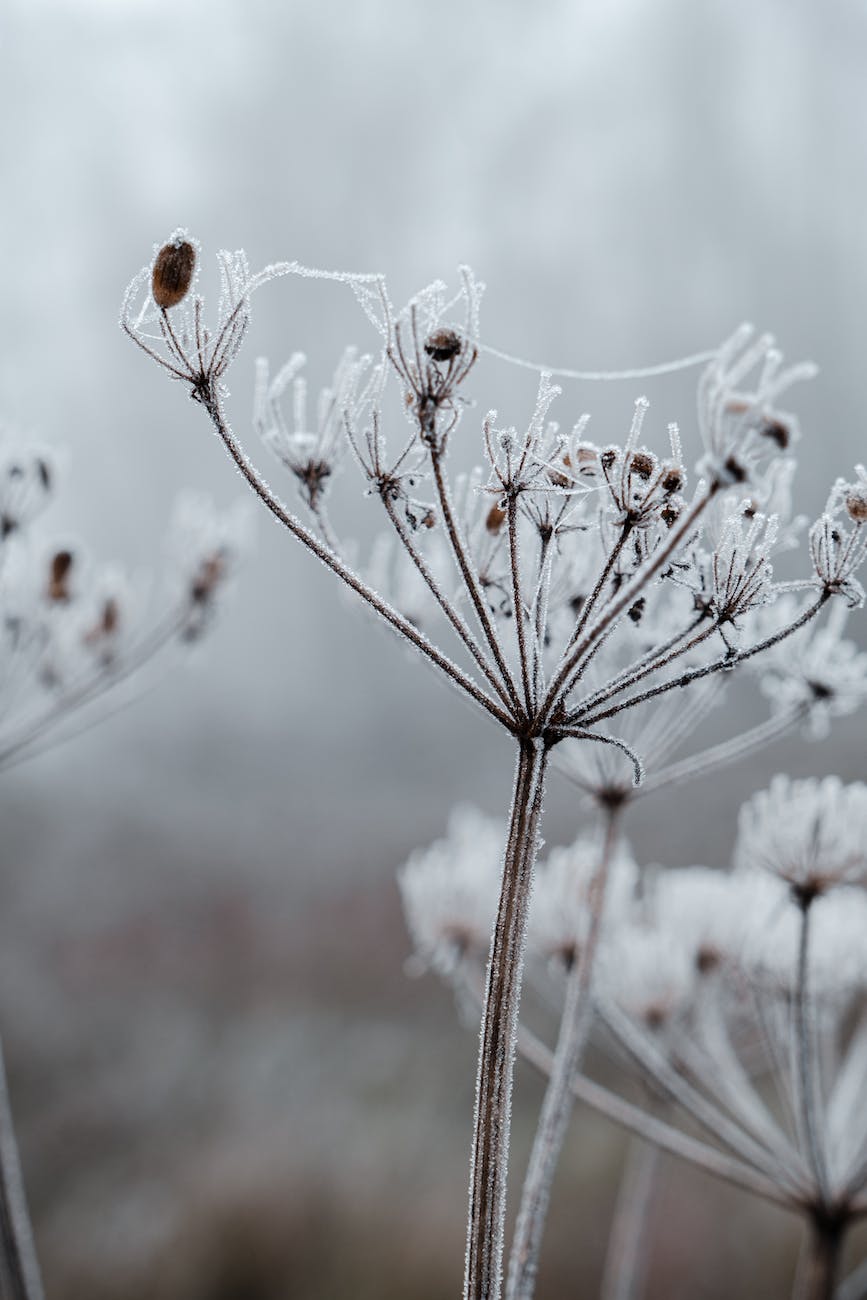
There are a number of good reasons to leave your garden. First, for those of us in cold climates, snow is our best blanket and insulator for roots and crowns. With the foliage up, plants will trap snow; it will shield the soil from temperature fluctuations right through until Spring. It also means that spring melt will offer extra moisture right where you need it: at your plants’ roots.
Second, from a design point of view, I find that the foliage of perennials and shrubs peeking from the snow to be far more interesting to the eye than a bland bank of snow. Of course trees are standing tall but something more at knee height offers easy views. The colourful twigs of dogwoods (Cornus), the persistent berries of chokeberry (Aronia) or the tan blooms of hydrangea (Hydrangea) are all interesting in a sea of whiteness.
Perhaps the most important reason to leave your garden: it will protect our pollinators and native insects. Many bugs over-winter in the foliage of plants, near the roots or just under the soil surface. They survive as eggs, larvae or pupae, as well as adults. Yes, some may be ‘bad’ bugs but most will be benign if not beneficial. Here’s an excellent article from the Manitoba Museum on plants and insects surviving our frigid winter. Another plus: many of these blooms and berries will provide food for birds through a cold winter, bringing life to the garden.
Can you do it? Can you leave your garden to Mother Nature’s care?
I almost can’t bear it! Sometimes I want to get off social media. Especially social media for gardeners of Manitoba. I am a member of a number of different Facebook pages for Manitoba gardeners. Some days I have to grit my teeth at the nonsense being spread.
Photo via Bing
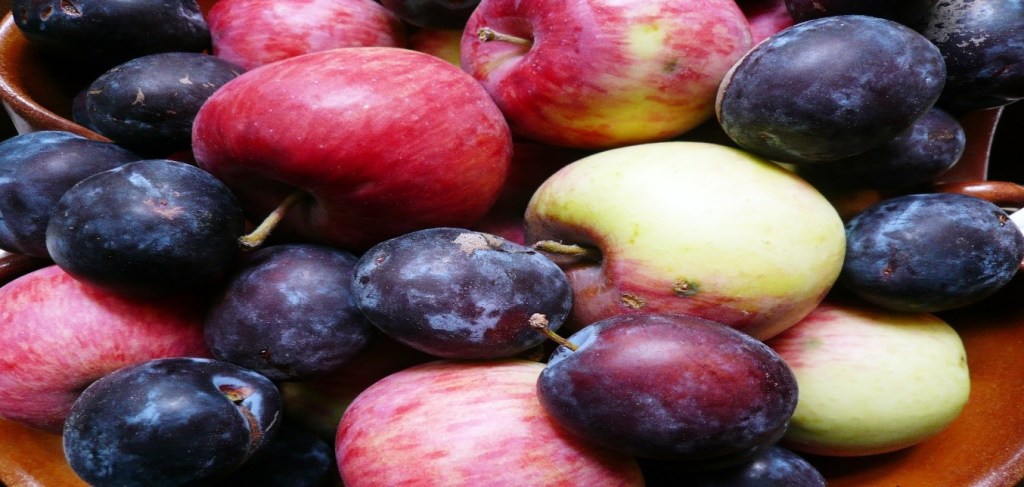
Recent case in point: a person posted that they had planted a plum tree and an apple tree last year. The garden centre they bought from said they would pollinate each other. (And, yes, let’s get it out there that garden centres have trouble finding trained, knowledgeable, experienced people.) The person had read something that made them doubt the veracity of that statement so they posted the question to the Manitoba Gardeners Facebook page.
Somebody immediately jumped on saying the plum and apple can absolutely pollinate each other. Well, NO THEY CAN’T! Ain’t never going to happen; it’s like cats and dogs. Yes, they both have four legs, a tail and two ears but they are not breeding and producing ‘puptens’ or ‘kitpies’. Somebody else then commented with a link to an article on pollinators for plums from a website on the Pacific Coast of America naming plums that aren’t hardy for us. Somebody else then commented that they had one of each and got fruit . They clearly do not understand the biology of fruit trees, but they must be in a city or town where there were pollinators in the neighbourhood. If an acceptable pollinator is within five or six city blocks, the bees, moths and other insects will do the job!
This one, I entered the discussion. I told the truth, then posted a link to a great pollinator chart from Aubin’s Nursery in Carmen, Manitoba. I am really passionate about Manitoba gardeners succeeding, especially young families growing their own food or starting their landscaping. There are a few hard truths that people need to accept. Gardening advice on the internet is fraught with misinformation and so-called experts that really don’t know much. If the original poster had Googled ‘Can a plum tree pollinate an apple tree’ they would have had the correct answer in two seconds or less. If they Googled a question about plum pollinators they should include ‘Manitoba’ in the query or they will get suggestions for plums that will grow in Florida, but not here.
The point is that you need to be responsible for your own research and knowledge. Use hashtags like ‘#Manitoba’ or ‘#Prairies’ or ‘#Zone 3’ in your searches to get information that is appropriate. Keep in mind that that the Canadian and US hardiness zones are completely different. Zone 3 in Canadian charts is actually a Zone 2 in US charts. So, a Zone 3 listing in the US is actually a Zone 4 for Canadians, not very hardy on the Prairies. Look to see where the information was produced: If it is from either coast, the garden belt around the Great Lakes in Ontario and Quebec, deep south or even most of middle America it is not the right information for Manitobans! Look for articles from universities, growers and content creators from a similar zone.
This article was originally publish in the magazine ‘Neighbours of 34th Street’. Reprinted with permission. The content was updated.

 Peace Signs and Pruners