October has been fantastic on the Prairies. According to The Weather Network, that is about to change. This week temperatures are dropping with days barely above freezing, nights below freezing and, yes, snow by the weekend. Last chance to get a few things done in comfort.
My Instagram is full of landscape design, gardening, houseplants and, well, animal rescues. I saw this piece last night from Shelmerdine’s, a locally-owned garden center in Winnipeg. I thought I’d share because it has a number of good points.
Now is the time to change over your tired or frosted summer containers. Harvest from your own yard or from nature walks. Fill them full! This container even has the fronds of a houseplant, a palm. The container and branches can be quite neutral; you can jazz it up with mini squash or wee witches on picks for Halloween, closer to Christmas add bright baubles and lights. Once the pot freezes, it will remain quite nice looking right past New Year’s. If it is in full sun you may see some browning, but you can cover that when seasonal evergreen boughs appear in garden centers in the next month.
Enjoy a fall walk through your garden and get ready for great containers all winter.
I have to tell you that I very rarely eat tomatoes in the winter. The perfect, red, unblemished offerings in the store just don’t have the flavour I’m craving. Now, a vine-ripened, sun warmed field tomato? Just can’t get enough of the garden produce currently available.
I got a hold of some tomatoes and cucumbers, picked that day. The hubby and I immediately sliced one and snacked with just a touch of salt on the slices. So good! That night for dinner I served them, just sliced, as a side dish. Last night I made a Greek salad. The cucumbers were slicers, not English, so I peeled some of the skin. I was rather silly and didn’t grab any green pepper, which were available. What was I thinking?
I’ve been making Greek salad for so long I don’t really use a recipe. If you need one check out this one from Love and Lemons. I love having Greek seasoning on hand and this mix from Culinary Hill is divine! The cinnamon is a nice surprise. I had a fresh zucchini and roasted chunks in the oven last night, with Greek seasoning. Delish!
So, how to keep summer’s tomatoes for winter use? I have canned a simple tomato sauce using this recipe from The Prairie Homestead. She also has a recipe for tomato paste. Manitoba’s Getty Stewart has a nice piece on freezing homemade salsa. You can freeze whole tomatoes, here are some good instructions from The Kitchn. How about using the lovely garden tomatoes for ‘sun-dried’ tomatoes but using the oven? Here’s how from Gimme Some Oven.
Won’t it be fantastic to have the flavour of garden tomatoes in the dead of winter?
September has arrived and here in Manitoba the temperatures have already slid downward. Monday evening the temperature went down to 2o Celsius (35o F.) Very glad I had taken my basil inside! It would not have appreciated that chill and it’s doing very well right now. There is lots more good eating to come from that plant. When I’m home it can go out for the day but pretty soon it will become a houseplant, under grow lights.
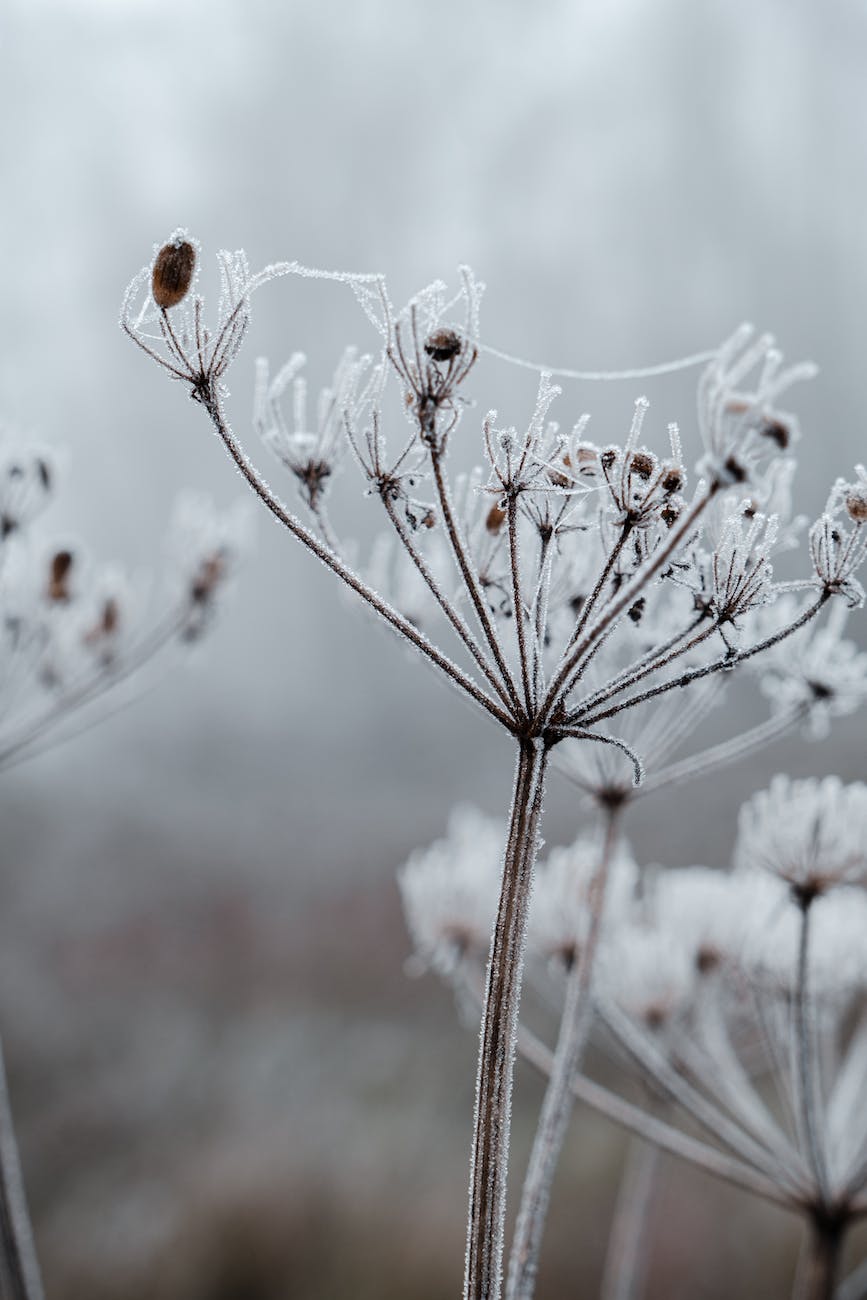
Many people are already looking forward to cleaning up the garden and largely not thinking about it until Spring. May I suggest an alternative? I think people should relax and enjoy the Fall. Sit in the sun, even if a down vest is required, enjoy a beverage, admire the changing leaves, watch the birds gather to migrate.
There are a number of good reasons to leave your garden. First, for those of us in cold climates, snow is our best blanket and insulator for roots and crowns. With the foliage up, plants will trap snow; it will shield the soil from temperature fluctuations right through until Spring. It also means that spring melt will offer extra moisture right where you need it: at your plants’ roots.
Second, from a design point of view, I find that the foliage of perennials and shrubs peeking from the snow to be far more interesting to the eye than a bland bank of snow. Of course trees are standing tall but something more at knee height offers easy views. The colourful twigs of dogwoods (Cornus), the persistent berries of chokeberry (Aronia) or the tan blooms of hydrangea (Hydrangea) are all interesting in a sea of whiteness.
Perhaps the most important reason to leave your garden: it will protect our pollinators and native insects. Many bugs over-winter in the foliage of plants, near the roots or just under the soil surface. They survive as eggs, larvae or pupae, as well as adults. Yes, some may be ‘bad’ bugs but most will be benign if not beneficial. Here’s an excellent article from the Manitoba Museum on plants and insects surviving our frigid winter. Another plus: many of these blooms and berries will provide food for birds through a cold winter, bringing life to the garden.
Can you do it? Can you leave your garden to Mother Nature’s care?
I almost can’t bear it! Sometimes I want to get off social media. Especially social media for gardeners of Manitoba. I am a member of a number of different Facebook pages for Manitoba gardeners. Some days I have to grit my teeth at the nonsense being spread.
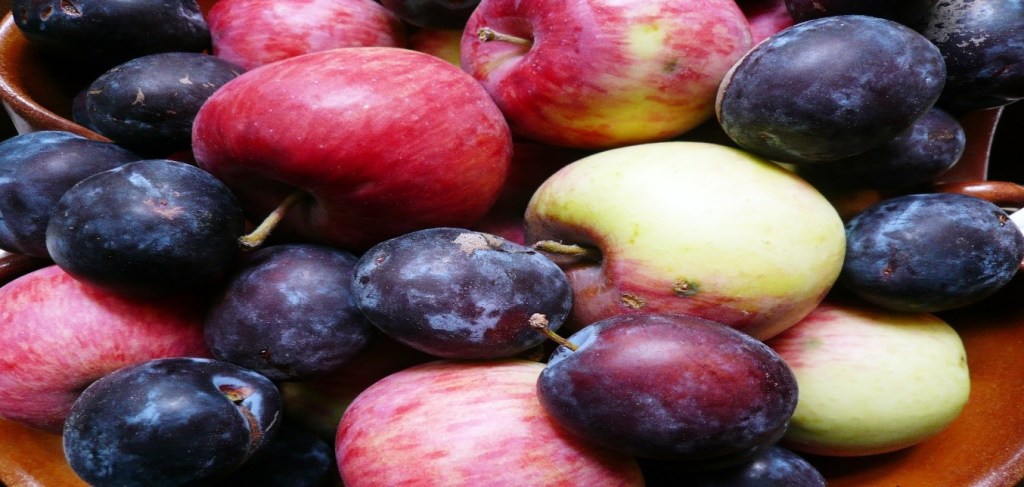
Photo via Bing
Recent case in point: a person posted that they had planted a plum tree and an apple tree last year. The garden centre they bought from said they would pollinate each other. (And, yes, let’s get it out there that garden centres have trouble finding trained, knowledgeable, experienced people.) The person had read something that made them doubt the veracity of that statement so they posted the question to the Manitoba Gardeners Facebook page.
Somebody immediately jumped on saying the plum and apple can absolutely pollinate each other. Well, NO THEY CAN’T! Ain’t never going to happen; it’s like cats and dogs. Yes, they both have four legs, a tail and two ears but they are not breeding and producing ‘puptens’ or ‘kitpies’. Somebody else then commented with a link to an article on pollinators for plums from a website on the Pacific Coast of America naming plums that aren’t hardy for us. Somebody else then commented that they had one of each and got fruit . They clearly do not understand the biology of fruit trees, but they must be in a city or town where there were pollinators in the neighbourhood. If an acceptable pollinator is within five or six city blocks, the bees, moths and other insects will do the job!
This one, I entered the discussion. I told the truth, then posted a link to a great pollinator chart from Aubin’s Nursery in Carmen, Manitoba. I am really passionate about Manitoba gardeners succeeding, especially young families growing their own food or starting their landscaping. There are a few hard truths that people need to accept. Gardening advice on the internet is fraught with misinformation and so-called experts that really don’t know much. If the original poster had Googled ‘Can a plum tree pollinate an apple tree’ they would have had the correct answer in two seconds or less. If they Googled a question about plum pollinators they should include ‘Manitoba’ in the query or they will get suggestions for plums that will grow in Florida, but not here.
The point is that you need to be responsible for your own research and knowledge. Use hashtags like ‘#Manitoba’ or ‘#Prairies’ or ‘#Zone 3’ in your searches to get information that is appropriate. Keep in mind that that the Canadian and US hardiness zones are completely different. Zone 3 in Canadian charts is actually a Zone 2 in US charts. So, a Zone 3 listing in the US is actually a Zone 4 for Canadians, not very hardy on the Prairies. Look to see where the information was produced: If it is from either coast, the garden belt around the Great Lakes in Ontario and Quebec, deep south or even most of middle America it is not the right information for Manitobans! Look for articles from universities, growers and content creators from a similar zone.
This article was originally publish in the magazine ‘Neighbours of 34th Street’. Reprinted with permission. The content was updated.
No, it’s not Christmas. Or Halloween. It’s garlic harvest!
We are huge fans of garlic in this household. I’ve written about it before and I will write about it again. Year after year. There is nothing quite like fresh, local garlic. It’s so much more delightful than what is usually available in the stores which has often been in storage for months. Fresh and local is always better: more flavour, creamier texture.
To celebrate the first purchase of the year I chose four heads from the two pounds that we bought. I sliced off the tops, trimmed the roots, drizzled the heads with olive oil and roasted for half an hour at 375o F. in our toaster oven. I let it cool than peeled off the papery cover. I used one head, five plump cloves, to slather on toasted, well buttered bread and served with a bowl of soup. The rest I refrigerated to add to stir fries, stews and soups. I’ll also use it in the next few days on baguette or crackers with melted brie. Yummy!
Garlic is an easy crop to grow. Buy your heads now but do not plant until the weather and soil cools considerably! For us in Manitoba, planting is often the first couple weeks of October. With the increased interest in the last few years with growing food, planting garlic has sold out quickly. It should be in garden centres now, along with other fall planted bulbs like tulips and daffodils.
Garlic wants to be in full sun, with well drained soil. To develop fat cloves it needs consistent water. You do not have to have a vegetable garden; garlic cloves can easily be tucked into an existing shrub or perennial border. The strappy foliage looks fantastic with the larger leaves of perennials and shrubs. Simply break out the cloves, plant down three times the length of the clove, pointy side up. In a cold climate like ours I would mulch well with leaves, and don’t be in too much of a hurry to remove the mulch in spring.
Garlic comes in hardneck or softneck forms. They’re both delicious but I prefer to plant hardneck because then you get scapes. Scapes are the flowering stem of garlic, a curly shoot that grows above the foliage. Remove them when they have the curl but before they get too woody and they are good eating. The mild garlic flavour is excellent for stir fries, as a garnish, and such. The scapes should be removed so that more energy goes into developing your cloves. I’ve used the scapes to make a form of pesto, which was excellent on baguettes but also a great base for a salad dressing.
If you are in Manitoba, there is an excellent Facebook page ‘Manitoba Garlic Growers’. You can get info on when other people are planting, when they are taking their scapes, when they are harvesting. I’m sure whatever place you are in you can find something similar. Happy Planting! And good eating to you!


 Peace Signs and Pruners