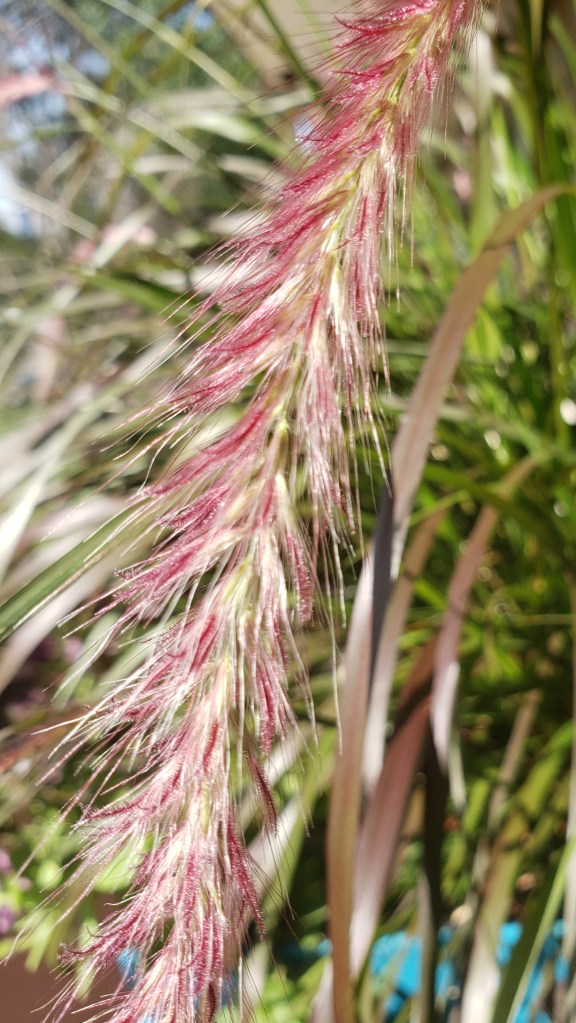
I know we’re just enjoying this year’s bounty and beauty. Are you thinking about next year? Are you planning on saving any seeds? Patience is key in saving healthy seed. You may have a lovely little seed head now but is it mature and viable?
Consider that a seed is like an egg in a bird’s nest. The seed coat is the shell, inside is endosperm which is like yolk and there is an embryo or little spark of life. The egg, when laid by momma bird, does not have a baby bird…yet. The mother must sit on the egg to keep is warm for the embryo to develop.
So it is with plants. The seeds need to be attached to the mother plant for a little while to develop properly. Now it is a bit of a fine balance: critters and birds want to eat the seeds, wind wants to blow them to a new home. It is the yellow, soft cucumber that will have viable seed, not necessarily the small one you choose for eating.
How can you tell? With peas, beans and flowers like milkweed the pod becomes brown and brittle. The ornamental grass pictured, purple fountain grass (Pennisetum) will get very beige and fluffy, then the small seeds will pull off quite easily. Most flowers develop a bulge right under where the flower petals were which will dry and eventually split, revealing the seed. Sunflowers hold their seeds in the centre head.
If you are anxious to save a certain seed perhaps protect it by wrapping the developing head or pod with something breathable: paper, muslin or horticultural fleece will work well. Staple or tie it around the seed head to secure. Do no use plastic wrap or bags; moisture can be trapped leading to mold or the sun on the bag can super heat the contents essentially frying what’s inside. Cut the stem and bring the seed inside once you think it’s mature.
We have to have a word here about what’s worth saving. Some seed will not be what you thought you were saving or the seed may be sterile. Seed must be pollinated to become viable. Yeah for the pollinators, we really need them! Plants can only be pollinated by those in their genus and often species; apple (Malus) cannot by pollinated by cherries (Prunus) even though they are both in the rose family. Squash are notorious for allowing pollination from their close cousins, so zucchini (Cucurbita pepo) can be pollinated by pumpkins (Cucurbita pepo) but not by butternut squash (Cucurbita moschata). The seeds you planted should only produce zucchini but the seeds you save could produce some odd cross-pollinated squash. If it’s tasty you can trademark it, name it and make a million dollars.
Some of your well loved plants are hybrids or F1 hybrids, meaning they are like the offspring of zucchini and pumpkin crosses. They can produce wonderful new additions to our gardens but they may not be what you want when you save their seed. Many of the modern petunias, for example, are hybrids; the seeds are either sterile or produce something you do not expect. If you’re really in love with one of those plants it is better to take cuttings (clones) soon and keep the plant like a houseplant through the winter.
Seed suppliers protect their stock by growing related plants far apart: separate fields or separate greenhouses. They may do fertilization by hand, then cover the flower or developing seed head to prevent other pollen from entering. As a homeowner with a small garden it’s impossible to segregate plants, even if you have some in the front yard and some in the backyard the pollinators can fly that far.
Here is an excellent article from U of South Dakota Extension that helps explain the ins-and-outs of seed production. For over twenty years the book ‘Seed to Seed: Seed Saving and Growing Techniques for Vegetable Gardeners‘ has been our go-to. Happy to see that there is a revised edition out.


 Peace Signs and Pruners
Leave a reply to norettet Cancel reply